
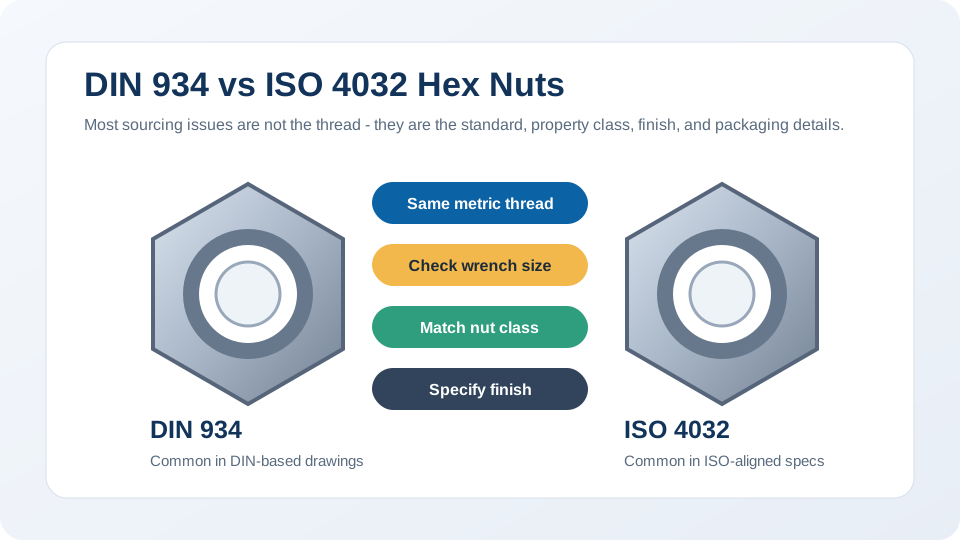
DIN 934 and ISO 4032 are both standard metric hex nuts used with metric bolts and threaded rods. For most purchasing situations they are close enough to be sourced from the same supplier base, but buyers should not write only "hex nut" on the RFQ. The safer specification names the standard, size, property class, finish, packaging, and required documents.
Quick answer
For many commercial orders, DIN 934 hex nuts and ISO 4032 hex nuts can serve the same fastening role. The thread form and basic use are the same. The detail that most often catches buyers is the wrenching dimension on certain sizes, such as M10 where DIN 934 is commonly supplied with 17 mm across flats while ISO 4032 is commonly supplied with 16 mm across flats.
If the nut is going into new stock for general distribution, choose the standard your market expects and keep it consistent. If the nut is for replacement, maintenance, or a drawing-controlled project, follow the drawing exactly.
| Buyer question | DIN 934 | ISO 4032 |
|---|---|---|
| Typical use | DIN-based metric bolt assemblies | ISO-aligned metric bolt assemblies |
| Thread | Metric coarse and fine options | Metric coarse and fine options |
| Common property classes | 6, 8, 10, 12 depending on size and factory range | 6, 8, 10, 12 depending on size and factory range |
| Detail to check | Across-flats dimension on affected sizes | Across-flats dimension on affected sizes |
| Best RFQ wording | DIN 934, size, class, finish, packaging | ISO 4032, size, class, finish, packaging |
Do not separate nut class from bolt grade
The nut is not an accessory; it is part of the bolted assembly. A grade 8.8 bolt is normally paired with a class 8 nut or higher. A grade 10.9 bolt is normally paired with a class 10 nut or a project-approved equivalent. If the nut class is too low, the internal thread can strip before the bolt reaches the intended load.
This is especially important when the same shipment includes DIN 933 full-thread hex bolts, washers, and hex nuts. A clean RFQ should match each bolt line with the correct nut class instead of asking for "matching nuts" without a standard.
Finish changes the sourcing decision
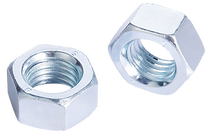
Plain black, zinc plated, hot-dip galvanized, and stainless steel nuts are quoted differently because they come from different process routes. Zinc plated nuts are common for indoor and general hardware use. Hot-dip galvanized nuts are used for outdoor steelwork, but thread fit must be considered because the zinc layer changes the assembly behavior. Stainless steel nuts are specified by material family, such as A2 or A4, not just by surface appearance.
If you are sourcing hot-dip galvanized bolt-and-nut sets, ask the supplier to confirm nut tapping and assembly fit after galvanizing. Ordering HDG bolts from one source and standard-tapped nuts from another source is a common reason for thread complaints.
RFQ checklist for DIN 934 or ISO 4032 hex nuts
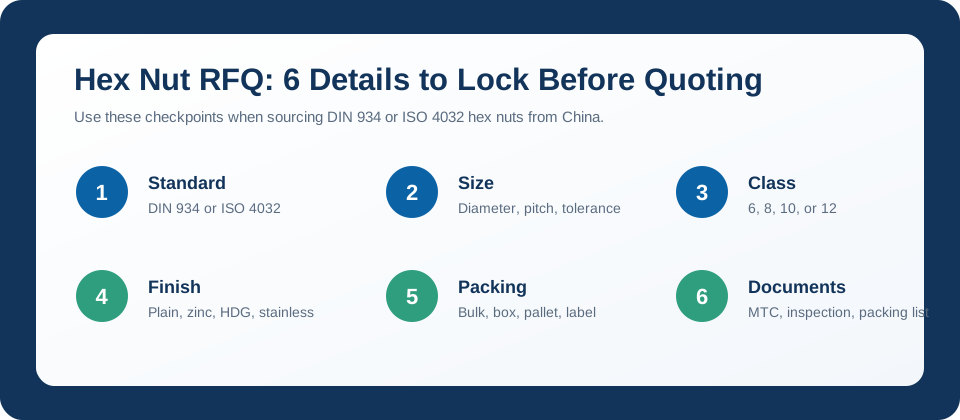
- Standard: DIN 934 or ISO 4032, not just "hex nut".
- Size: diameter, thread pitch, and any tolerance requirement.
- Property class: class 6, 8, 10, 12, or the class required by the mating bolt.
- Material and finish: carbon steel plain, zinc plated, HDG, stainless 304/316, or another approved finish.
- Packaging: bulk carton, small box, woven bag, pallet, private label, barcode, or mixed-size packing.
- Documents: Mill Test Certificate, inspection report, packing list, certificate of origin, or buyer-specific paperwork.
Handan Yongnian market context
HDBOLT supplies standard hex nuts across the agreed sizes, property classes and finishes. Mixed orders are separated by specification, with thread fit, coating, item labels and export packing checked for each line.
For overseas buyers, the practical advantage of Yongnian is consolidation. HDBOLT supplies hex nuts with matching bolts or threaded rods, inspects the line items and packs the shipment with one packing list and export document set.
What HDBOLT recommends
If the drawing says DIN 934, quote DIN 934. If the drawing says ISO 4032, quote ISO 4032. If there is no drawing and the product is for general resale, choose one standard based on your market and keep the product label consistent. The most expensive mistake is not choosing the "wrong" standard; it is failing to specify the standard at all.
For a quote, send the standard, size range, nut class, finish, quantity, packaging, and destination port through the contact page. If your RFQ includes many fastener types, review the HDBOLT supply and quality guide first so the line items are easier to compare.