
Brass & Copper Fasteners — Sourcing from Yongnian, China
Overview
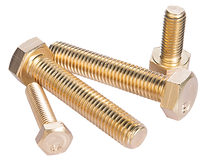
Brass and copper fasteners are a niche category relative to steel, but important in electrical, plumbing, marine, and decorative applications. HDBolt sources from factories that handle copper alloy cold-forging and machining.
Specifications
| Material | Brass (H59, H62, HPb59-1, HPb63-3), Copper, Bronze, Phosphor Bronze |
|---|---|
| Standards | DIN, ISO, ANSI equivalents available |
| Key Properties | Electrical conductivity, Thermal conductivity, Non-magnetic, Anti-spark, Corrosion resistance in salt water |
| Applications | Electrical terminals, Plumbing fittings, Marine hardware, Explosive/flammable environments (anti-spark), Decorative and architectural |
| Surface Finish | Natural, Polished, Nickel plated, Chrome plated |
| Typical Lead Time | Production: 25–40 days depending on size and quantity. |
Frequently Asked Questions
Why choose brass fasteners over stainless steel?
Brass offers three main advantages stainless steel does not: high electrical conductivity (important in grounding and electrical terminals), non-sparking behavior (required in explosive atmospheres such as petrochemical and grain handling), and traditional decorative appearance. Brass is also fully non-magnetic, which matters in some scientific and medical instrumentation. Steel is stronger, so brass is generally used in low-load, specialty applications.
What is the difference between brass and bronze fasteners?
Brass is primarily an alloy of copper and zinc. Bronze is primarily an alloy of copper and tin (sometimes with phosphorus, aluminum, or silicon added). Bronze is generally harder and more corrosion-resistant in marine environments than brass, and phosphor bronze is often specified for spring and marine applications. Brass is more common and more economical.
Need a quote?
Send your item list by WhatsApp or email — we reply within one working day.
💬 Message on WhatsApp