
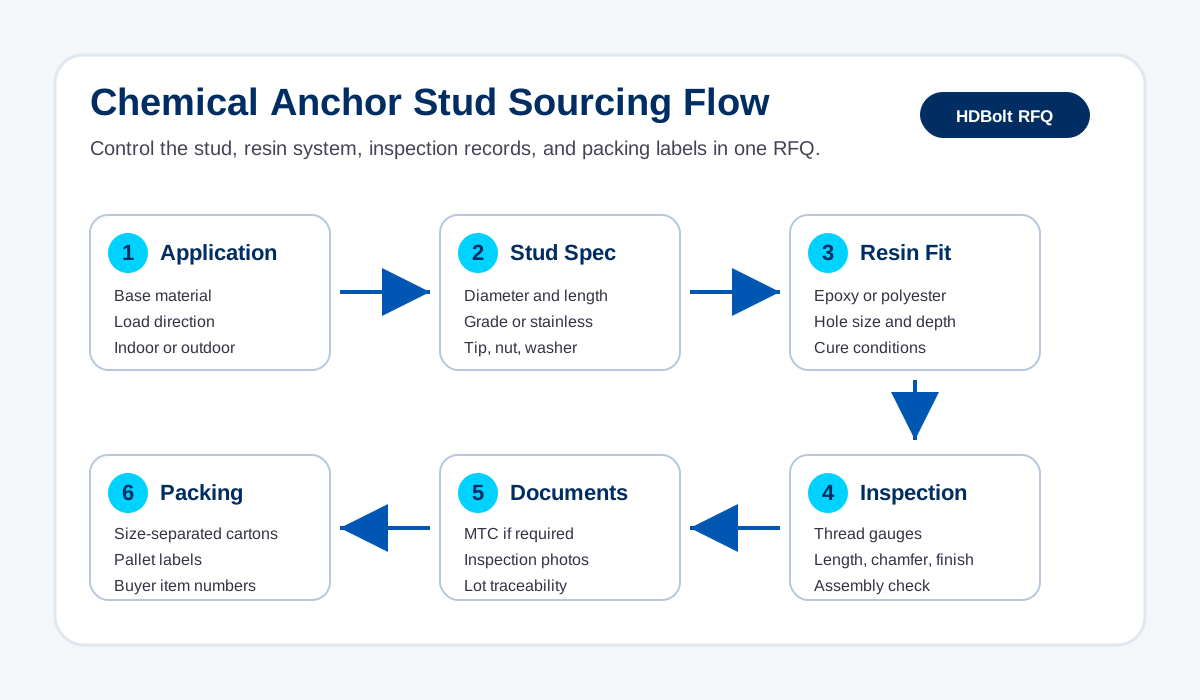
For chemical anchor stud sourcing, the direct answer is: specify the stud diameter, overall length, embedment length, thread standard, material grade, finish, tip geometry, matching nut and washer, resin system compatibility, inspection scope, documents, and export packing in the same RFQ. Do not buy chemical anchor studs as generic threaded rod unless the application, hole size, and resin anchor design have already been checked.
Short answer for epoxy anchor buyers
A chemical anchor stud is the threaded metal stud used with epoxy, polyester, vinylester, or other approved resin anchoring systems. The resin bonds the stud into a drilled hole, so the metal part must match the anchor design, not just the buyer's preferred thread diameter.
The common sourcing problem is that buyers ask for "M16 chemical anchor" and receive quotes that are not directly comparable. One supplier may quote a standard threaded rod section, another may include a chamfered or chisel-point end, and another may include nuts, washers, capsules, or injection resin. A serious RFQ separates the metal stud from the resin package and states exactly what is included.
| RFQ field | What to specify | Why it matters |
|---|---|---|
| Stud size | Diameter, thread pitch, overall length, and usable threaded length | Controls fit with the fixture, nut, washer, and drilled hole design |
| Embedment | Required embedment depth or drawing reference | Prevents buying a stud that is long enough overall but wrong for installation |
| Material and grade | Carbon steel 5.8, 8.8, stainless A2-70, A4-70, or project grade | Grade affects strength, corrosion behavior, documents, and coating options |
| Tip geometry | Plain chamfer, chisel point, or buyer drawing | Some resin systems and installers prefer a tip that helps insertion or resin mixing |
| Finish | Zinc plated, hot-dip galvanized, stainless, or project-approved coating | Finish affects corrosion resistance and thread fit |
| Included parts | Stud only, or stud with nut and washer; resin included or excluded | Prevents comparing incomplete line items against complete anchor sets |
Chemical anchor stud vs mechanical anchor
Chemical anchors and mechanical expansion anchors solve different jobsite problems. A wedge anchor expands mechanically against solid concrete. A sleeve anchor expands a sleeve and can suit a wider range of base materials in medium-duty applications. A chemical anchor uses adhesive bond between the resin, hole wall, and stud.
For sourcing, this means the metal stud is only one part of the buying decision. The project engineer or anchor system supplier should define the resin type, hole diameter, cleaning method, embedment, cure conditions, spacing, edge distance, and load assumptions. HDBOLT can quote the metal stud component, matching nuts, washers, finish, packaging, and export inspection package, but the installation design should come from the project specification.
| Buying point | Chemical anchor stud | Wedge or sleeve anchor |
|---|---|---|
| Holding method | Bonded resin around a threaded stud | Mechanical expansion inside the drilled hole |
| Key RFQ risk | Stud quoted without resin compatibility, embedment, nut, washer, or tip detail | Anchor quoted without substrate, head type, finish, or installation torque detail |
| Common supply scope | Stud only; stud with nut and washer; or full resin anchor kit if requested | Complete anchor assembly with nut and washer or head style |
| Inspection focus | Length, thread, grade, finish, tip, nut fit, washer, labels, documents | Clip or sleeve assembly, dimensions, finish, nut fit, packing, labels |
How to specify the stud
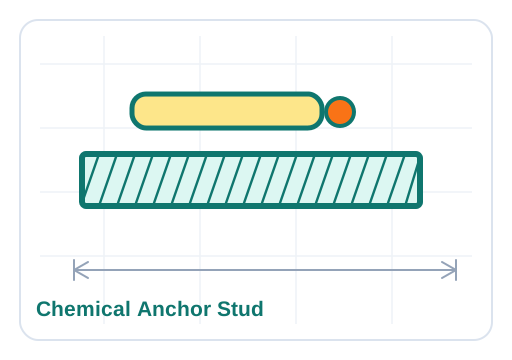
Start with the drawing or anchor design. If the buyer has only a product name, the RFQ should still state the minimum information needed for a comparable quote: M-size or inch size, pitch or thread series, total length, required embedded length, material grade, finish, quantity, nut and washer requirement, and destination packing method.
For metric export orders, common wording may be "M12 x 160 chemical anchor stud, class 8.8, zinc plated, chisel-point end, supplied with one hex nut and one flat washer." For stainless orders, use material and strength wording such as A4-70 where the project requires it. For corrosive or outdoor use, compare stainless against hot-dip galvanized or other approved coating options instead of selecting by unit price alone.
Inspection checklist before shipment
- Confirm the PO, packing list, carton label, and inspection report use the same size, grade, finish, length, and buyer item number.
- Measure overall length, thread diameter, pitch, straightness, chamfer or chisel-point geometry, and sample weight where relevant.
- Check thread fit with the supplied nut and washer from the same packed lot.
- Inspect zinc, HDG, or stainless surface condition for rust, uncoated areas, burrs, dents, thread damage, and mixed sizes.
- Review MTCs, coating reports, or third-party inspection records if the purchase order requires them.
- Photograph representative studs, nuts, washers, labels, cartons, pallets, and loaded goods before release.
Yongnian sourcing notes for chemical anchor studs
HDBOLT supplies chemical anchor studs with matching nuts and washers and can include related concrete anchors in the same shipment. Stud dimensions, material, surface finish, assembly compatibility and packing are confirmed separately for each item.
This local-market context matters most for mixed shipments. A buyer may need chemical anchor studs, wedge anchors, sleeve anchors, drop-in anchors, and carton labels in one export order. HDBOLT can supply these items together, check the line-item labels, and pack by size so the receiving warehouse does not have to sort mixed anchor hardware after arrival.
Common RFQ mistakes
| Mistake | Likely result | Better wording |
|---|---|---|
| Writing only "chemical anchor M16" | Quotes may include different lengths, grades, tips, nuts, washers, or resin scope | M16 x 190 chemical anchor stud, class 8.8, zinc plated, chisel tip, nut and washer included |
| Comparing stud-only and full-kit prices | The cheapest quote may omit resin, nuts, washers, labels, or inspection | State whether the price is for stud only or complete set |
| Ignoring embedment depth | The stud may fit the carton but not the installation design | Include drawing, embedment, fixture thickness, and projection requirement |
| Leaving finish vague as "galvanized" | Supplier may quote zinc plating when the project expects hot-dip galvanizing | Write zinc plated, hot-dip galvanized, stainless A2/A4, or the approved coating |
RFQ wording buyers can copy
M12 x 160 chemical anchor stud, metric coarse thread, class 8.8 carbon steel, zinc plated, chisel-point end, supplied with one hex nut and one flat washer per stud, resin excluded, dimensions and thread fit inspected, packed by size in labeled export cartons on pallets, carton labels to show product name, size, grade, finish, quantity, lot code, and buyer item number.
For stainless orders: M16 x 190 chemical anchor stud, stainless A4-70, chamfered end, supplied with A4 nut and washer, resin excluded, surface and thread inspection required, packed in moisture-protected export cartons with size-separated pallet labels and inspection photos before shipment.
What HDBOLT recommends
Buy chemical anchor studs as a controlled anchoring component, not as a generic rod cut to length. Define the application, stud geometry, material grade, finish, included accessories, inspection scope, and packing method before comparing prices. To request a quote, send your size list, drawings, resin system scope, nut and washer requirement, finish, quantity, destination port, and packing preference through the HDBOLT contact page. For broader planning, review the anchors category, the HDBOLT supply and quality guide, and the export fastener packaging guide.