
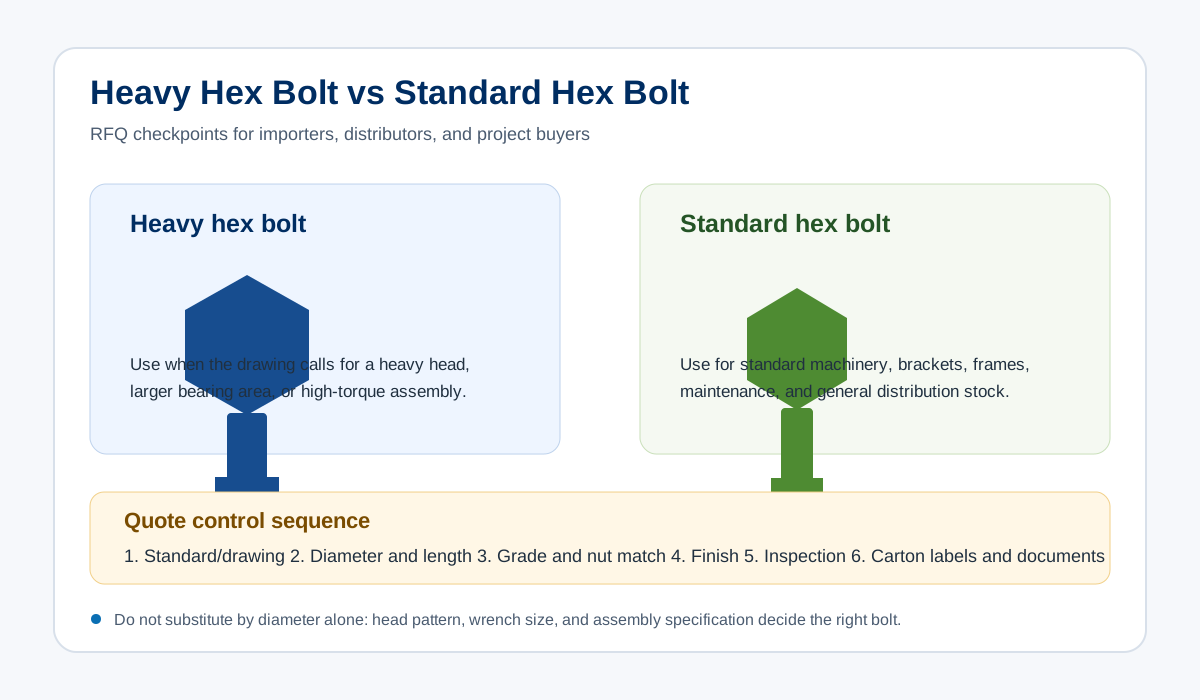
For heavy hex bolt vs standard hex bolt sourcing, the direct answer is: choose a heavy hex bolt when the drawing, project specification, high-torque assembly, structural bolting package, or industrial flange application requires the larger head and wrenching surface; choose a standard hex bolt for general machinery, frames, brackets, maintenance stock, and distribution programs where ordinary hex head dimensions are specified. Do not substitute one for the other by diameter alone, because the head size, wrench clearance, nut match, washer selection, grade, coating, and inspection documents may all change.
Short answer for bolt buyers
A heavy hex bolt has a larger head pattern than a standard hex bolt of the same nominal diameter. The larger head gives more wrenching surface and a wider bearing area under the head, which is why heavy hex patterns appear in many structural, petrochemical, pressure equipment, and heavy industrial bolting specifications.
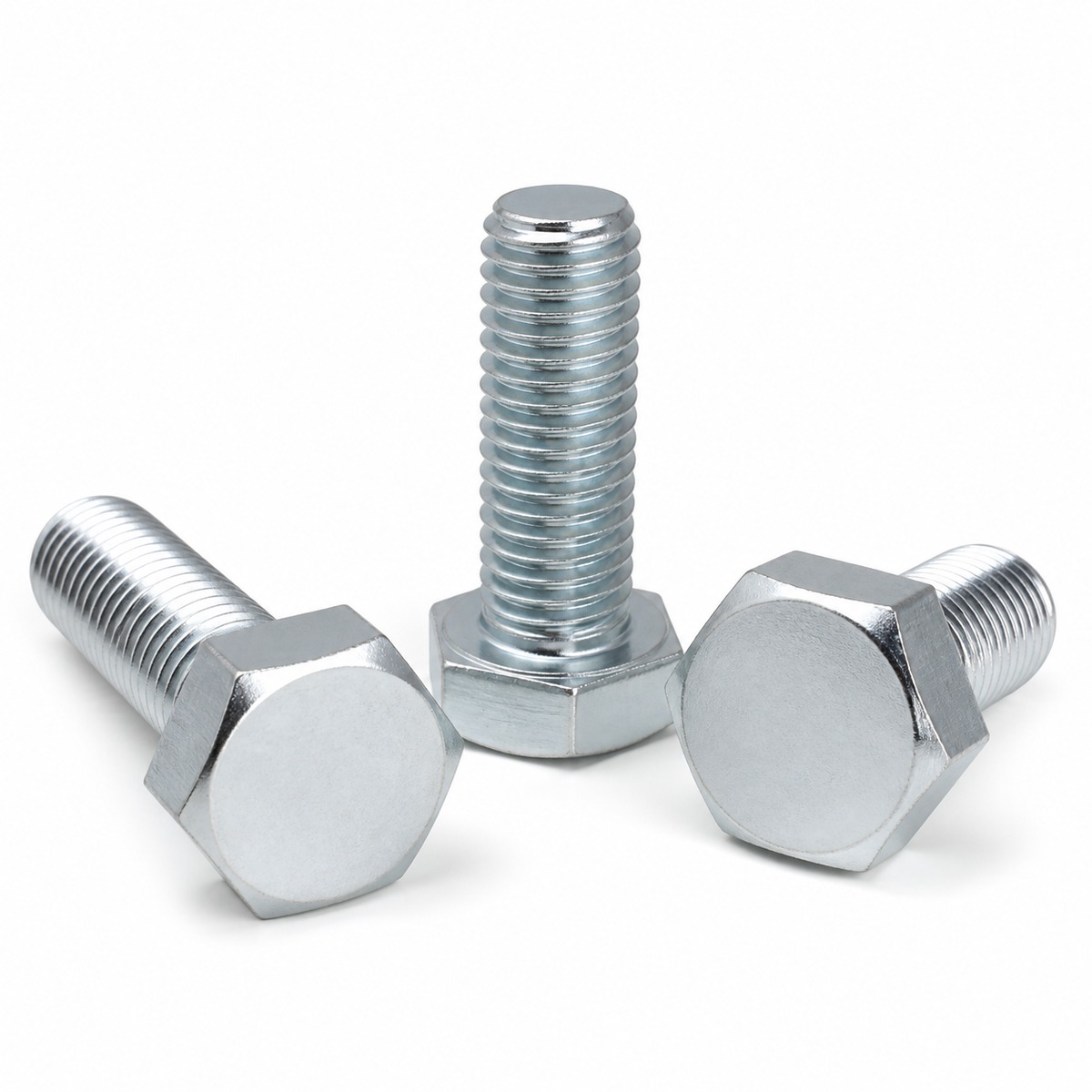
A standard hex bolt, such as a full-thread hex bolt or partial-thread hex bolt, is the normal choice for general fastening when the drawing does not call for a heavy head. It is usually easier to fit into compact assemblies because the head and wrench clearance are smaller.
Heavy hex bolt vs standard hex bolt comparison
| Buying point | Heavy hex bolt | Standard hex bolt |
|---|---|---|
| Head pattern | Larger head across flats and corners for the same nominal diameter | Normal hex head dimensions for common machine and construction fastening |
| Best use | Specified heavy-duty assemblies, structural bolting sets, flanges, equipment foundations, and high-torque applications | General frames, brackets, machinery, maintenance, retail packs, and common distributor stock |
| Wrench clearance | Needs more space around the head and nut for tool access | Fits more easily in compact layouts where ordinary hex heads are expected |
| Assembly match | Often paired with heavy hex nuts and controlled washers such as structural washers where specified | Usually paired with standard hex nuts, flat washers, spring washers, or project hardware kits |
| Main sourcing risk | Wrong head size, wrong marking, unsupported grade certificate, incompatible nut, or coating not approved for the specification | Substitution into a heavy hex application, mismatched nut class, weak thread fit after plating, or vague packing labels |
What buyers should specify in the RFQ
Do not request only "M20 bolt" or "3/4 inch bolt" when the project needs a controlled head pattern. Two suppliers may quote the same diameter and length but different standards, head dimensions, thread lengths, grades, finishes, and document packages. That makes price comparison unreliable and can create installation problems when the shipment arrives.
| RFQ field | What to write | Why it matters |
|---|---|---|
| Standard or drawing | Heavy hex bolt standard, ASME or ASTM requirement, DIN requirement, ISO requirement, or buyer drawing number | Controls head dimensions, marking, tolerances, and inspection scope |
| Size | Diameter, overall length, thread length, pitch, tolerance, and whether full thread or partial thread is required | Prevents wrong thread engagement, wrong grip length, and assembly mismatch |
| Grade or material | ASTM grade, SAE grade, metric property class, carbon steel, alloy steel, or stainless grade | Strength and certificate requirements depend on the grade family |
| Matching parts | Heavy hex nut, standard hex nut, F436 washer, flat washer, spring washer, or buyer assembly list | The bolt may be correct but unusable if the nut or washer does not match |
| Finish | Plain with oil, zinc plated, hot-dip galvanized, black, mechanical galvanized, or project-approved coating | Coating affects corrosion resistance, thread allowance, installation, and lead time |
| Inspection and packing | Thread gauge, head dimension check, marking photos, MTC, coating report, carton label, pallet mark, and lot traceability | Creates receiving evidence and reduces mixed-item disputes |
When a heavy hex bolt is the better sourcing choice
Use heavy hex bolts when the drawing or specification calls for them. This is the strongest buying rule. A heavy head is not just an upgrade label; it is a defined geometry that affects wrenching, bearing area, washer choice, and assembly clearance. If the project references structural bolting, flange bolting, pressure equipment, heavy machinery, or a controlled ASTM or ASME bolt standard, quote the exact specification and do not replace it with a common hex bolt unless the engineer approves.
For structural assemblies, heavy hex bolts may be part of a set with compatible heavy hex nuts and ASTM F436 structural washers. For industrial stud or bolt packages, the buyer may also need related ASTM A193 B7 stud bolts or ASTM A320 L7 stud bolts. Keep these assembly requirements together in the RFQ instead of buying each part in isolation.
When a standard hex bolt is the better sourcing choice
Use standard hex bolts when the drawing calls for normal hex head dimensions and the assembly does not need the larger heavy hex pattern. Common examples include machine guards, brackets, frames, maintenance parts, agricultural hardware, warehouse stock, and distributor assortments. Standard hex bolts can be full thread or partial thread, and the correct choice depends on whether the joint needs thread along the full length or an unthreaded shank through the clamped parts.
Grade, nut, washer, and finish decisions
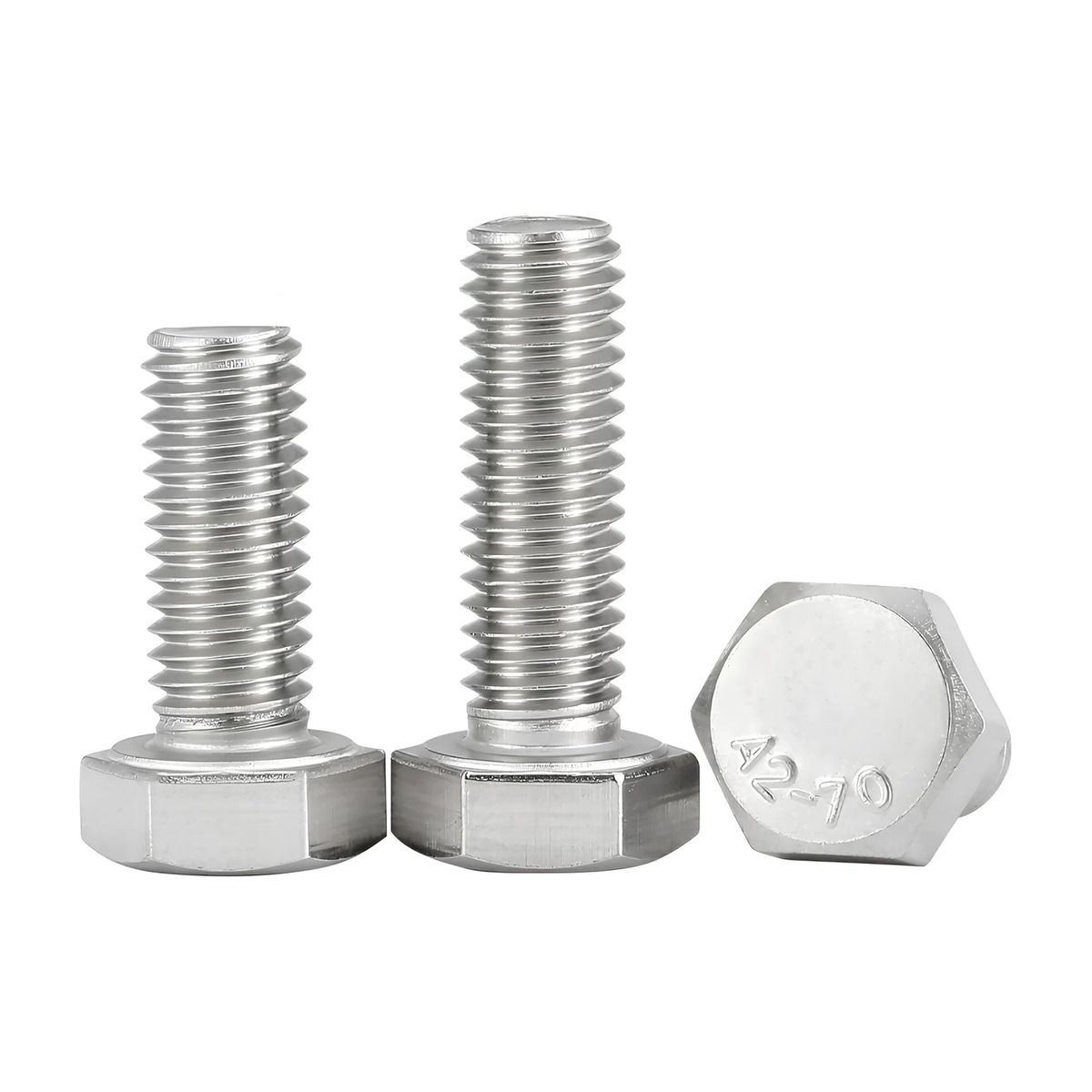
The bolt head pattern does not replace grade selection. A heavy hex bolt can still be wrong if the material grade, heat treatment, coating, or document package does not match the project. A standard hex bolt can also fail a receiving check if the nut class, washer size, or plating thickness creates poor assembly fit.
| Decision | Buyer guidance | Common inspection evidence |
|---|---|---|
| Grade match | Match bolt grade to the drawing and select compatible nut grade instead of asking for "matching nuts" without a standard | Head marking photos, certificate, hardness or tensile evidence where required |
| Washer selection | Use structural washers when the assembly specification requires them; do not substitute ordinary flat washers into controlled structural joints | Washer dimension check, hardness evidence where applicable, finish confirmation |
| Coating | Confirm zinc plated, hot-dip galvanized, black, plain oiled, or stainless before quote comparison | Coating appearance photos, thread gauge after coating, coating report when required |
| Packing | Separate heavy hex and standard hex items by SKU, size, grade, finish, and lot | Inner label, carton label, pallet mark, packing list, and export document match |
Inspection checklist before shipment
- Confirm whether the order is heavy hex bolt, standard hex bolt, structural bolt, flange bolt, stud bolt, or buyer drawing part.
- Check head across flats, head height, bearing surface, and wrench clearance against the accepted standard or drawing.
- Verify diameter, length, thread pitch, thread length, chamfer, and thread gauge fit.
- Confirm grade marking, material certificate, heat treatment evidence, or test report when required.
- Assemble sample bolts with the quoted nuts and washers, especially after zinc plating or hot-dip galvanizing.
- Check finish appearance, oil protection, rust risk, coating buildup, and thread running behavior.
- Review carton labels, pallet labels, lot numbers, customer part numbers, and mixed-item separation.
- Match the commercial invoice, packing list, and inspection photos to the actual SKUs before export.
Handan Yongnian sourcing context
In Handan Yongnian sourcing, heavy hex bolts and standard hex bolts often move through different production and inspection routes even when the material and finish look similar. The practical value for overseas buyers is complete fastener supply: HDBOLT can separate a controlled heavy hex or structural bolt line from ordinary hex bolt stock, then coordinate compatible nuts, washers, finish, packing labels, and export documents in one shipment.
This is useful for mixed orders. A buyer may need heavy hex bolts, DIN 933 hex bolts, DIN 931 partial-thread bolts, heavy hex nuts, flat washers, F436 washers, and pallet labels under one purchase order. The sourcing risk is not solved by choosing the lowest unit price. It is solved by item-by-item specification control, sample photos, gauge checks, assembly matching, and carton-level traceability before the goods leave China. Current availability and lead time should be confirmed at inquiry time because size range, grade, finish, testing, and packing format affect the route.
RFQ wording buyers can copy
Heavy hex bolt, [standard or drawing], diameter [M/imperial size], length [value], thread pitch [value], grade [grade], finish [plain/zinc plated/HDG/other], supplied with compatible heavy hex nuts and washers where listed. Confirm head dimensions, marking, thread gauge, certificate requirement, coating condition, assembly fit, carton labels, pallet labels, and destination: [country and port].
Standard hex bolt, DIN 933 / ISO 4017 full thread or DIN 931 / ISO 4014 partial thread, size list attached, property class 8.8, zinc plated, packed by size and customer SKU. Quote with matching hex nuts and flat washers, thread gauge photos, finish photos, carton label layout, packing list draft, and shipment destination.
What HDBOLT recommends
Choose heavy hex when the specification requires the larger head pattern, controlled wrenching area, or structural/industrial assembly match. Choose standard hex when the drawing calls for normal hex head bolts and the application is general machinery, distribution, or maintenance. To source a complete assembly, review HDBOLT's heavy hex bolt page, bolt category, heavy hex nut page, F436 washer page, and HDBOLT supply and quality guide. For a quote, send the standard, drawing, size list, grade, finish, assembly parts, inspection needs, packing rule, and destination through the HDBOLT contact page.